Amur Barbel
Hemibarbus labeo
Also known as: Skin-carp
A large, bottom-rooting cyprinid with a big personality to match its size.

About
The Amur Barbel (Hemibarbus labeo) is a sizeable cyprinid native to a broad sweep of eastern Asia, from the Amur basin in the north down through China, Japan, Taiwan, Hainan, and into northern Vietnam, with records extending into the Mekong drainage in Laos. Adults are elongated fish with a noticeably long snout that extends well past the eye, well-developed fleshy lips suited to rooting through substrate, and a single barbel on each side of the mouth. Unlike some of its close relatives, adults lack the dark body spotting seen in younger fish, giving mature specimens a clean, streamlined look. The ossified dorsal spine is sturdy and worth being aware of when netting. In the wild this species forages primarily along the bottom for invertebrates, though it will take a wide range of foods in captivity. Females tend to run larger than males, and given that this fish can reach a substantial size, tank planning matters. The aggressive temperament is a real consideration. This is not a community fish to mix casually with smaller, peaceful tankmates. That said, basic care is fairly forgiving, and a keeper who can accommodate its size and personality should find it a long-lived, characterful resident with a potential lifespan around a decade.
Similar species
Other fish you might consider

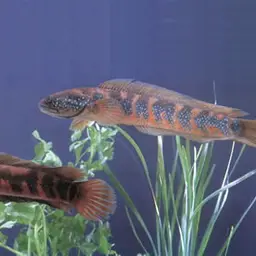
Good tank mates
Species that tend to coexist peacefully with Amur Barbel
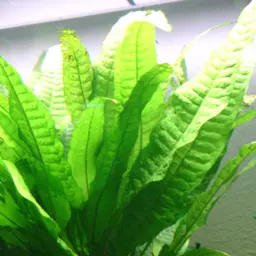
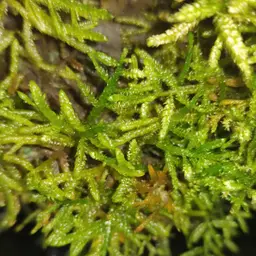
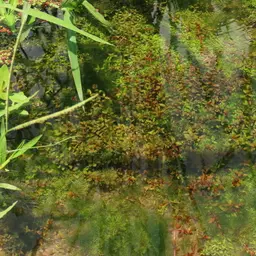

From the same region
Share the same natural habitat. Great for a biotope-themed tank
Frequently asked questions
- How big does the Amur Barbel get?
- The Amur Barbel reaches about 4.5–17.5" as an adult.
- What water parameters does the Amur Barbel need?
- The Amur Barbel does best with a temperature of 75–81°F, a pH of 6–7.5, hardness around 5–12 dGH.
- Is the Amur Barbel aggressive?
- The Amur Barbel is aggressive and is best kept alone or with robust tankmates that can hold their own.
- What does the Amur Barbel eat?
- The Amur Barbel is an omnivore. It does well on a varied diet of quality flake or pellet plus occasional frozen or live foods.
- How long does the Amur Barbel live?
- With good care, the Amur Barbel typically lives 10 years.