Sea Whip
Leptogorgia setacea
A branching sea whip from North Atlantic waters that demands serious flow.

About
Found along the western Atlantic coastline from Canada down through the eastern United States, this gorgonian sea whip, Leptogorgia setacea, grows across a wide depth range, from shallow nearshore zones down past 50 meters, which tells you a lot about its adaptability in the wild. In the aquarium, though, it does have specific needs that put it firmly in intermediate territory. Like most gorgonians, it relies on strong, consistent water movement to bring food particles within reach of its tiny polyps, so high flow is not optional here. Lighting requirements are moderate, which is worth noting because this species is considered non-photosynthetic or minimally so, meaning it depends heavily on direct feeding rather than zooxanthellae for nutrition. That feeding demand is usually what trips people up. Without a regular supply of appropriately sized planktonic foods, these corals decline slowly and often without obvious warning signs until it's too late. It is reef safe and won't bother your other inhabitants, but it does best when you can commit to a consistent feeding routine. If you have experience keeping other non-photosynthetic corals or sea fans, this one is a manageable next step.
Similar species
Other coral you might consider
Good tank mates
Species that tend to coexist peacefully with Sea Whip
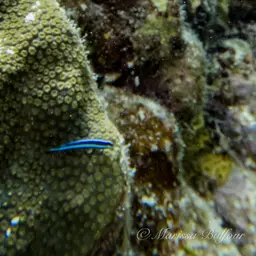
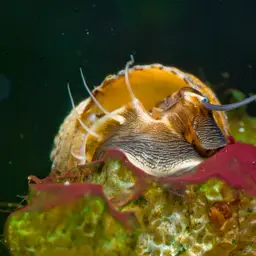
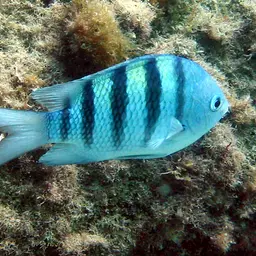
From the same region
Share the same natural habitat. Great for a biotope-themed tank
Frequently asked questions
- What does the Sea Whip eat?
- The Sea Whip is a filter feeder. It eats tiny particles suspended in the water and usually needs target feeding in a home tank.
- Is the Sea Whip reef safe?
- The Sea Whip is generally considered reef safe.