Malaya Shrimp
Caridina babaulti
Also known as: Green Babaulti Shrimp
A hardy, color-shifting dwarf shrimp that surprises you with every molt.

About
The Malaya Shrimp (Caridina babaulti) is one of those pleasant surprises in the dwarf shrimp world. A species that manages to be both beginner-friendly and genuinely interesting to keep. Originally from South and Southeast Asia, where it inhabits slow-moving freshwater streams and rice paddies, this small caridina has built a reputation for being considerably more forgiving than many of its relatives. What makes it particularly fun is its color variability. Individual shrimp can display shades ranging from olive green to reddish-brown, and the color can shift noticeably depending on mood, diet, and environment. Some specimens show a reddish tint around the nose area, which explains the alternate name Red Nose Shrimp. Unlike more demanding Caridina species that require very soft, acidic water, babaulti tends to accept a broader range of water conditions, which is a big part of why newer shrimp keepers gravitate toward it. They're active little scavengers, constantly picking at biofilm, algae, and leaf litter, which makes them both useful and entertaining to watch. A mature planted tank with plenty of hiding spots and leaf litter will bring out their best behavior and help females raise shrimplets successfully. A solid first caridina for anyone looking to move beyond Neocaridina.
Similar species
Other invertebrate you might consider
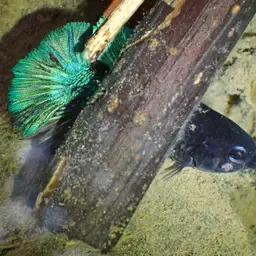
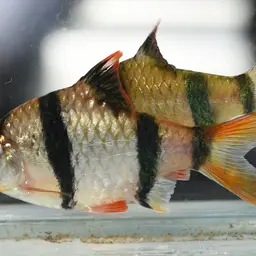
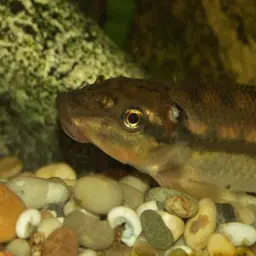
Good tank mates
Species that tend to coexist peacefully with Malaya Shrimp
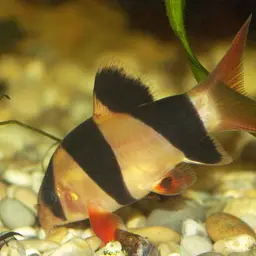
From the same region
Share the same natural habitat. Great for a biotope-themed tank
Frequently asked questions
- What water parameters does the Malaya Shrimp need?
- The Malaya Shrimp does best with a temperature of 68–82°F, a pH of 6.5–8, hardness around 4–18 dGH.
- Is the Malaya Shrimp aggressive?
- The Malaya Shrimp is generally peaceful and suits a community tank with similarly calm tankmates.
- What does the Malaya Shrimp eat?
- The Malaya Shrimp is an omnivore. It does well on a varied diet of quality flake or pellet plus occasional frozen or live foods.