Tulip Barb
Pethia erythromycter
A tiny Myanmar barb with a red nose and big attitude toward tankmates.

About
Found in small water bodies and the expansive Lake Indawgyi near Myitkyina in northern Myanmar, this obscure little barb, Pethia erythromycter, only made its way into the hobby around 2006 and is occasionally traded as the Tulip barb. It is a small fish, rarely exceeding an inch and a half, but what it lacks in size it compensates for in personality. Males develop a distinctively reddish snout and, in breeding condition, small tubercles around the nose. An unusual feature for a cyprinid this tiny. A dark band on the caudal peduncle and spotted dorsal-fin patterning help separate it from similar-looking relatives it shares habitat with in the wild. In the aquarium, males are persistently combative with one another, so keeping more females than males, ideally four or more females per male, and maintaining a larger group goes a long way toward spreading aggression. It is a workable community fish as long as slow-moving or long-finned species are avoided, since it will readily nip. Pairing it with other active small cyprinids or robust loaches tends to work well. Breeding follows the typical egg-scattering pattern of the group, with no parental care, and adults will eat eggs if given the chance. On the whole, this is a manageable species for someone with a bit of community-tank experience under their belt.
Similar species
Other fish you might consider
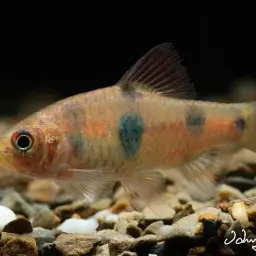
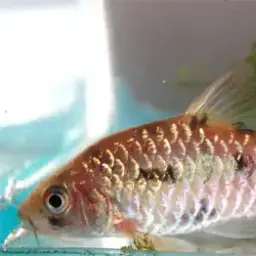
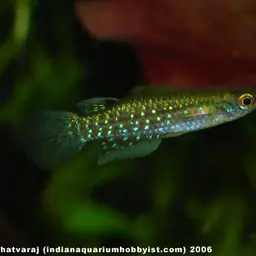
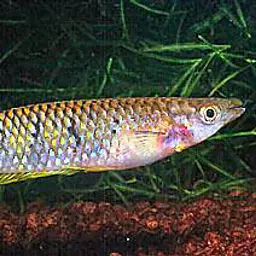
Good tank mates
Species that tend to coexist peacefully with Tulip Barb
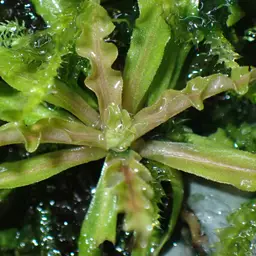
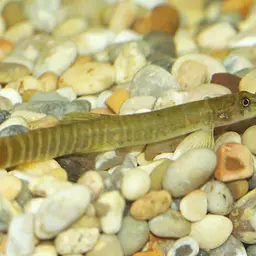
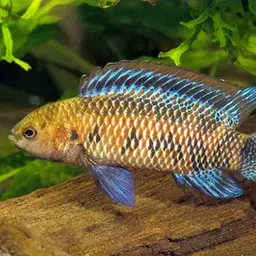
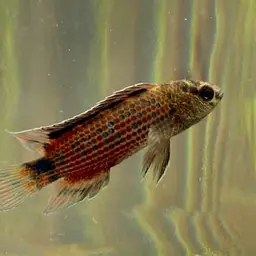
From the same region
Share the same natural habitat. Great for a biotope-themed tank
Frequently asked questions
- How big does the Tulip Barb get?
- The Tulip Barb reaches about 1–1.5" as an adult.
- What size tank does the Tulip Barb need?
- A minimum of 21 gallons is recommended for the Tulip Barb, with more room needed for a proper group.
- What water parameters does the Tulip Barb need?
- The Tulip Barb does best with a temperature of 72–82°F, a pH of 6.5–7.5, hardness around 5–12 dGH.
- Is the Tulip Barb aggressive?
- The Tulip Barb is semi-aggressive. It can work in a community with careful tankmate choices and enough space.
- What does the Tulip Barb eat?
- The Tulip Barb is an omnivore. It does well on a varied diet of quality flake or pellet plus occasional frozen or live foods.