Scissortail Barb
Rasbora rasbora
Also known as: Gangetic scissortail rasbora
A large, peaceful schooling rasbora rarely seen outside specialist collections.

About
Native to a broad sweep of South and Southeast Asia, from Pakistan through India, Bangladesh, Myanmar, and Thailand, this is one of the bigger members of its genus. Adults can reach well over four inches, which puts it in a different league from the small schooling rasboras most hobbyists know. Belonging to the R. sumatrana species group within a genus whose taxonomy has kept ichthyologists busy for decades, Rasbora rasbora is genuinely uncommon in the trade, and detailed captive care records are thin on the ground. Color forms may vary depending on where fish were collected. Despite its size, it is a genuinely peaceful fish, though it can inadvertently stress smaller or more timid tankmates simply through its physical presence and active swimming. A group of at least six is the way to go. Fish kept in numbers show better color, behave more naturally, and settle in far more confidently than isolated individuals. Because of the tank footprint needed for a proper school of adults, this is not a beginner's fish, and it rewards keepers who can pair it with robust, similarly-sized companions. Larger cyprinids, loaches, and catfish from its native river basins all make sensible choices. Breeding in captivity is thought to be possible using methods similar to those developed for smaller rasboras, though documented success in the hobby remains rare.
Similar species
Other fish you might consider
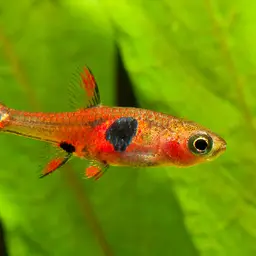
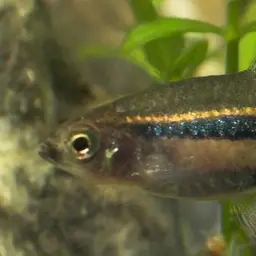
Good tank mates
Species that tend to coexist peacefully with Scissortail Barb
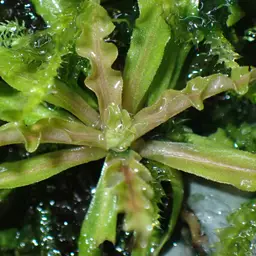
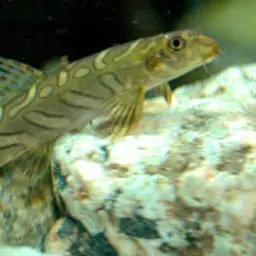
From the same region
Share the same natural habitat. Great for a biotope-themed tank
Frequently asked questions
- How big does the Scissortail Barb get?
- The Scissortail Barb reaches about 1.5–3" as an adult.
- What size tank does the Scissortail Barb need?
- A minimum of 67 gallons is recommended for the Scissortail Barb, with more room needed for a proper group.
- What water parameters does the Scissortail Barb need?
- The Scissortail Barb does best with a temperature of 72–82°F, a pH of 6–7.5, hardness around 2–15 dGH.
- Is the Scissortail Barb aggressive?
- The Scissortail Barb is generally peaceful and suits a community tank with similarly calm tankmates.
- What does the Scissortail Barb eat?
- The Scissortail Barb is a carnivore. It needs a meaty, protein-rich diet of frozen or live foods.
- How long does the Scissortail Barb live?
- With good care, the Scissortail Barb typically lives 6 years.