Balanophyllia galapagensis
Balanophyllia (Balanophyllia) galapagensis
A solitary stony coral from the Galápagos, thriving where light barely reaches.

About
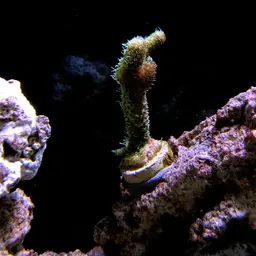
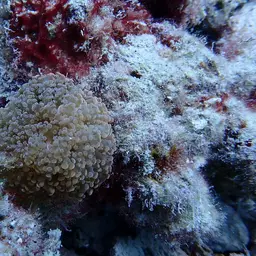
Balanophyllia galapagensis is a solitary, non-zooxanthellate stony coral native to the eastern Pacific, including the waters around the Galápagos Islands. Unlike most reef-building corals, it harbors no photosynthetic algae in its tissues, which means it has no dependence on bright light whatsoever. In fact, low-light conditions are where this species genuinely thrives. In the wild it tends to colonize shaded, deeper reef zones and rocky outcroppings where light penetration is minimal. Each polyp forms its own small, cup-shaped skeleton, giving it a neat, almost sculptural appearance that sets it apart from colonial stony corals. In the aquarium, this independence from light makes it an interesting option for dimmer tank regions or shaded overhangs that most corals would struggle in. Because it cannot feed itself through photosynthesis, consistent target feeding with meaty foods is essential. This is the primary care commitment the species demands, and skipping regular feedings will cause it to decline. Moderate flow suits it well, keeping detritus from settling on the polyp without battering it. Reef safe and not aggressive toward neighbors, it asks mostly for attentive feeding rather than complex light scheduling, placing it at an intermediate care level for dedicated keepers willing to meet its nutritional needs.
Similar species
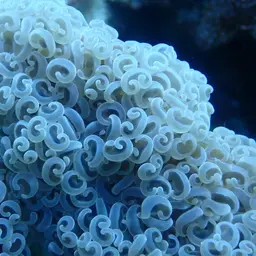
Other coral you might consider
Good tank mates
Species that tend to coexist peacefully with Balanophyllia galapagensis
From the same region
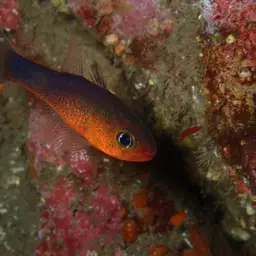
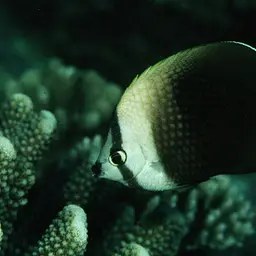
Share the same natural habitat. Great for a biotope-themed tank
Frequently asked questions
- Is the Balanophyllia galapagensis aggressive?
- The Balanophyllia galapagensis is generally peaceful and suits a community tank with similarly calm tankmates.
- What does the Balanophyllia galapagensis eat?
- The Balanophyllia galapagensis is a carnivore. It needs a meaty, protein-rich diet of frozen or live foods.
- Is the Balanophyllia galapagensis reef safe?
- The Balanophyllia galapagensis is generally considered reef safe.