Bowl Coral
Halomitra pileus
A free-roaming, bowl-shaped coral that grazes soft substrates across the Indo-Pacific.

About
Bowl coral (Halomitra pileus) is one of the more architecturally interesting large-polyp corals you can keep, shaped like a broad, shallow dome or bell that sits unattached on the substrate rather than cementing itself to rock. In the wild, it occupies the calmer sections of reef slopes and lagoons across the central Indo-Pacific, settling on sandy or silty bottoms where wave energy is minimal. Colonies can grow quite large, and the skeletal structure is notably thin and delicate relative to its diameter, so handling requires care. The coloration tends toward pale brown across the main disc, often with pink or purple edges that give the rim a soft glow, while the individual corallite centers are typically white. Like its close relatives in the fungiid group, it only extends its tentacles after dark, so daytime observers mostly see the skeletal surface. In the aquarium, it needs a soft or sandy bottom to rest on naturally and genuinely low flow. Strong currents can tumble and damage it. Moderate lighting suits it well. Given those simple placement requirements, it is considered manageable even for newer reef keepers, provided the tank has a proper sand bed and calm flow zones available.
Similar species
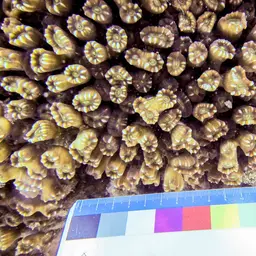
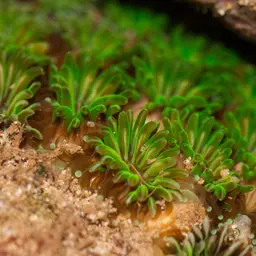
Other coral you might consider
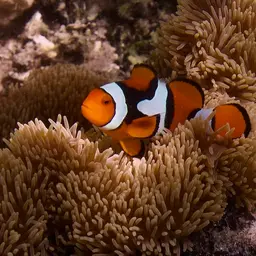
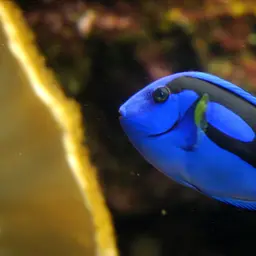
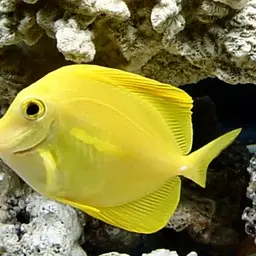
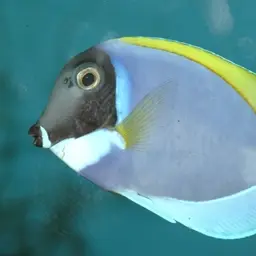
Good tank mates
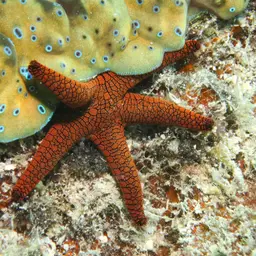
Species that tend to coexist peacefully with Bowl Coral
From the same region
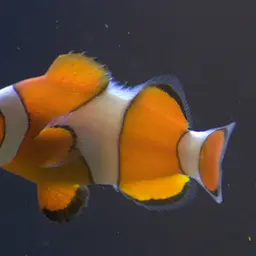
Share the same natural habitat. Great for a biotope-themed tank
Frequently asked questions
- How big does the Bowl Coral get?
- The Bowl Coral reaches about 14–23.5" as an adult.
- What water parameters does the Bowl Coral need?
- The Bowl Coral does best with a temperature of 72–82°F, a pH of 8–8.4.
- Is the Bowl Coral aggressive?
- The Bowl Coral is generally peaceful and suits a community tank with similarly calm tankmates.
- What does the Bowl Coral eat?
- The Bowl Coral is a filter feeder. It eats tiny particles suspended in the water and usually needs target feeding in a home tank.
- Is the Bowl Coral reef safe?
- The Bowl Coral is generally considered reef safe.