Antler Lettuce Coral
Pectinia alcicornis
A turbid-water coral with dramatic upward spires and toothed ridges.

About
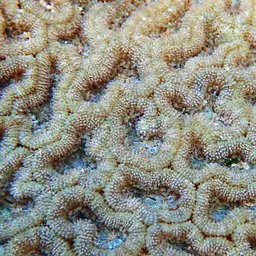
Found across the Western Central Pacific, this unusual stony coral, Pectinia alcicornis, favors murky, low-visibility environments and tends to settle on horizontal surfaces rather than vertical reef walls. That tolerance for turbid conditions is actually a useful trait in the aquarium, where perfect water clarity is not always achievable. The colony structure is what really sets it apart: irregular clusters of flattened, fluted plates are interrupted by upward-projecting spires and short walls, giving the whole formation a chaotic, almost architectural quality. In mature colonies, those spires can grow tall enough to dominate the overall shape. The ridges running across the surface are distinctively toothed, and the columellae are well developed, adding fine texture throughout. Coloration runs through greens, yellows, and browns, with the center of the colony typically darker than the outer edges. In the aquarium, moderate lighting and moderate flow suit it well, and its tolerance for less-than-pristine conditions makes it a reasonable choice for an intermediate keeper looking to move beyond the most common SPS and LPS selections. It is reef safe and poses no known threat to neighbors. Placement on a flat bottom surface rather than propped on rockwork will better reflect how it grows in nature.
Similar species
Other coral you might consider
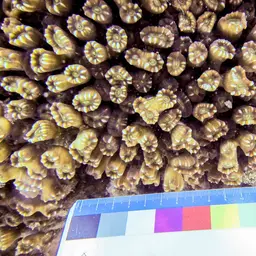
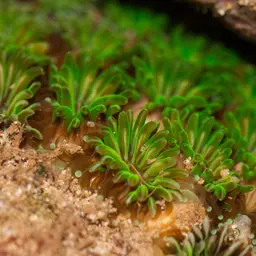
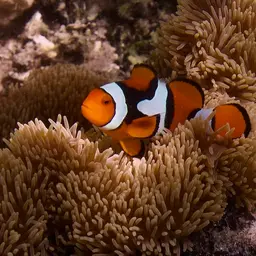
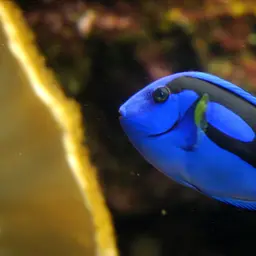
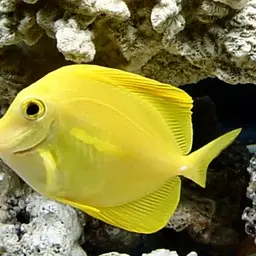
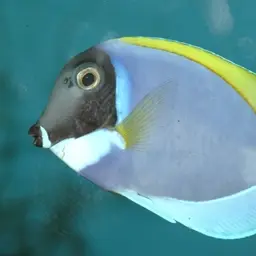
Good tank mates
Species that tend to coexist peacefully with Antler Lettuce Coral
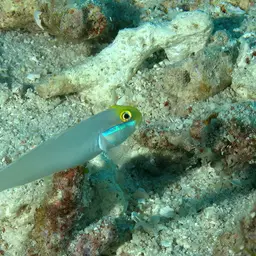
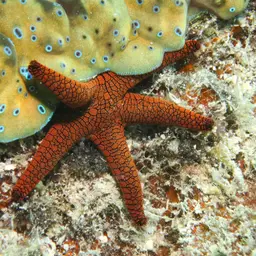
From the same region
Share the same natural habitat. Great for a biotope-themed tank

Frequently asked questions
- What water parameters does the Antler Lettuce Coral need?
- The Antler Lettuce Coral does best with a temperature of 72–78°F, a pH of 8.1–8.3.
- Is the Antler Lettuce Coral aggressive?
- The Antler Lettuce Coral is generally peaceful and suits a community tank with similarly calm tankmates.
- Is the Antler Lettuce Coral reef safe?
- The Antler Lettuce Coral is generally considered reef safe.