West African Lungfish
Protopterus annectens annectens
An ancient, air-breathing fish that can survive years without water

About
Found across a vast sweep of West and Central Africa, this West African lungfish (Protopterus annectens annectens) is one of the most biologically extraordinary vertebrates you can keep in an aquarium. It belongs to a lineage that has remained essentially unchanged for hundreds of millions of years, and its body reflects that ancient heritage: four long, fleshy, limb-like fins used primarily for touch and occasional crawling, rudimentary gills supplemented by a pair of true lungs derived from a heavily modified swim bladder, and a four-chambered heart more reminiscent of a tetrapod than a typical fish. When seasonal waters retreat in the wild, this species digs a burrow into the mud, curls into a chamber, seals itself inside a dried mucous cocoon, and enters a dormant state called aestivation. Sometimes lasting several years. Young fish even sport external gills that disappear as they mature. In the aquarium it is the most manageable of the lungfish available to hobbyists, and it is genuinely hardy, but the commitment involved is serious. It must be housed alone, as it is completely unpredictable with tankmates and capable of inflicting severe bites. On fish and on careless hands alike. With a potential lifespan exceeding two decades and a need for a very large system, this is a species that demands real dedication before you take the plunge.
Similar species
Other fish you might consider
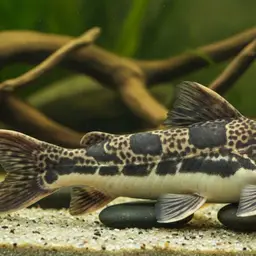
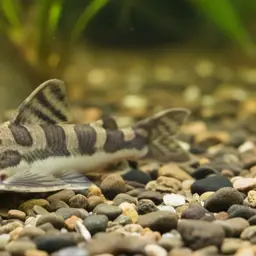
Good tank mates
Species that tend to coexist peacefully with West African Lungfish
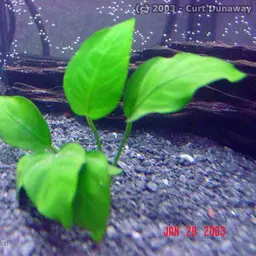
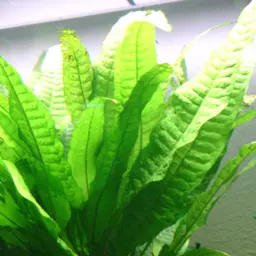
From the same region
Share the same natural habitat. Great for a biotope-themed tank
Frequently asked questions
- What size tank does the West African Lungfish need?
- A minimum of 280 gallons is recommended for the West African Lungfish.
- Is the West African Lungfish aggressive?
- The West African Lungfish is aggressive and is best kept alone or with robust tankmates that can hold their own.
- What does the West African Lungfish eat?
- The West African Lungfish is an omnivore. It does well on a varied diet of quality flake or pellet plus occasional frozen or live foods.