Cape Kurper
Sandelia capensis
A primitive air-breathing anabantid from South Africa's threatened Cape rivers.

About
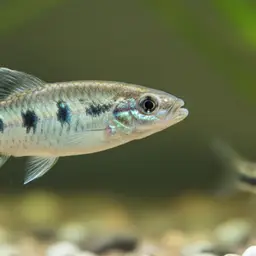
The Cape Kurper (Sandelia capensis) is a fascinating piece of evolutionary history. One of only two species in its genus and considered among the most primitive of all anabantids, partly because its labyrinth organ is less developed than that of its relatives. It hails from coastal rivers and wetlands of southern and southwestern South Africa, where it favors slow-moving or still water with plenty of plant and root cover. Its complete isolation from other anabantoid genera in the wild remains a genuine biological puzzle, likely tied to an ancient species radiation that hasn't been fully worked out. In the aquarium, this is a fish best kept alone. It's a capable predator that feeds on invertebrates and small fish in the wild, and its aggressive nature toward other fish makes it a poor candidate for community setups. That said, it's a hardy animal that adapts to varied conditions reasonably well, making it manageable for an intermediate keeper willing to meet its space requirements. Breeding has been documented in captivity and follows an unusual pattern for anabantids. No spawning embrace, with the female simply depositing adhesive eggs onto the substrate and the male fertilizing them afterward before taking over brood care. Conservation concern surrounds wild populations, which face pressure from habitat loss, pollution, and introduced bass predation.
Similar species
Other fish you might consider
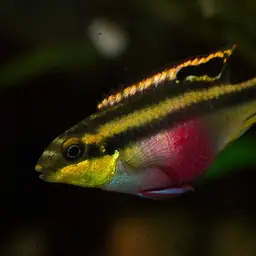
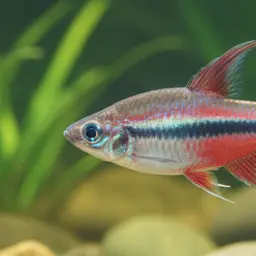
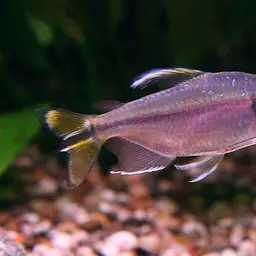
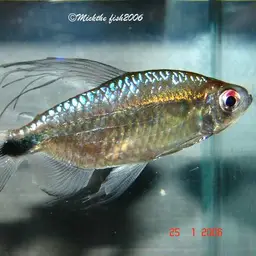
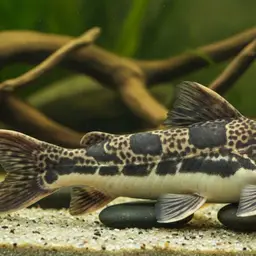
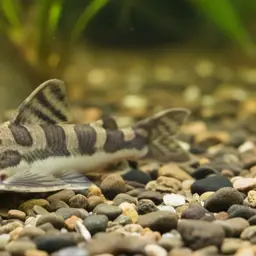
Good tank mates
Species that tend to coexist peacefully with Cape Kurper
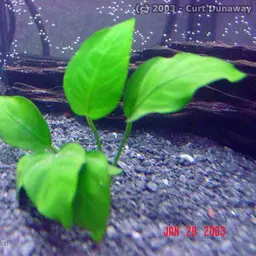
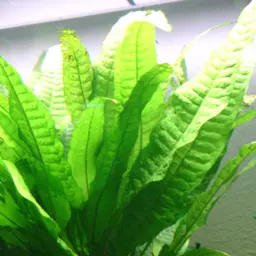
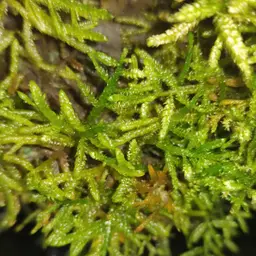
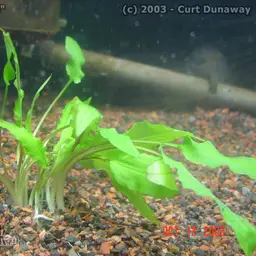
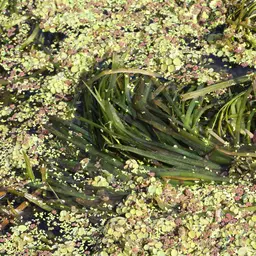
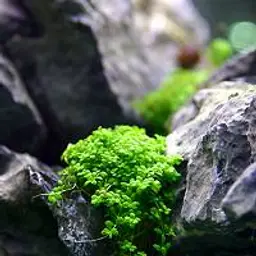
From the same region
Share the same natural habitat. Great for a biotope-themed tank
Frequently asked questions
- How big does the Cape Kurper get?
- The Cape Kurper reaches about 4.5–8.5" as an adult.
- What size tank does the Cape Kurper need?
- A minimum of 67 gallons is recommended for the Cape Kurper.
- What water parameters does the Cape Kurper need?
- The Cape Kurper does best with a temperature of 64–72°F, a pH of 6.5–7.2, hardness around 5–15 dGH.
- Is the Cape Kurper aggressive?
- The Cape Kurper is aggressive and is best kept alone or with robust tankmates that can hold their own.
- What does the Cape Kurper eat?
- The Cape Kurper is a carnivore. It needs a meaty, protein-rich diet of frozen or live foods.
- How long does the Cape Kurper live?
- With good care, the Cape Kurper typically lives 8-15 years.