African Red Knob Sea Star
Protoreaster linckii
Also known as: Red Knobbed Star, Red Spine Star
A bold, knobby sea star from African shores that commands attention in any reef display.

About
The African Red Knob Sea Star (Protoreaster linckii) is one of the more recognizable sea stars in the marine hobby, sporting a pale grey or cream body laced with a vivid red lattice pattern and rows of prominent red knobs running along each arm. It hails from shallow coastal waters and reef flats around the Indian Ocean and East African coastline, where it roams sandy and rubble-strewn bottoms in search of food. In the wild, this species is an opportunistic scavenger and predator, making short work of sponges, soft corals, and other invertebrates it encounters. Which is an important thing to keep in mind before adding one to a reef tank. A fish-only or FOWLR setup suits it much better than a living reef, since it will not discriminate between decorative corals and a meal. Despite that caveat, it carries a beginner-friendly reputation when placed in the right environment, largely because it adapts reasonably well to aquarium life and does not require the highly specialized conditions that trip up many other echinoderms. Give it ample room to wander, a sandy substrate to move across, and a stable, well-established system, and this sea star tends to settle in without too much fuss.
Similar species
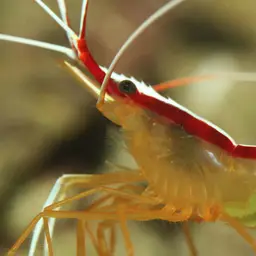
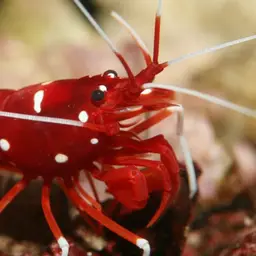
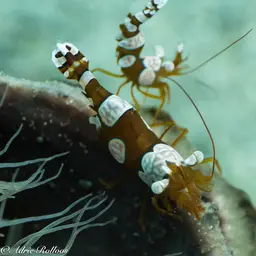
Other invertebrate you might consider
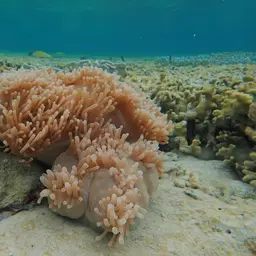
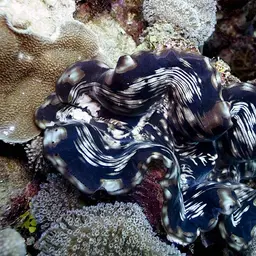
From the same region
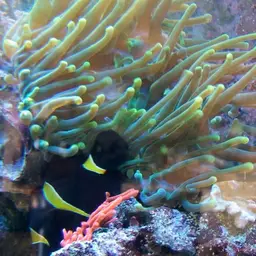
Share the same natural habitat. Great for a biotope-themed tank
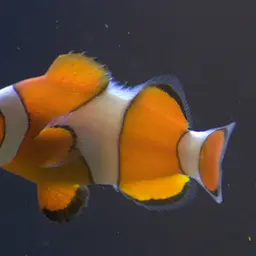
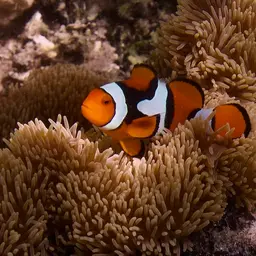
Frequently asked questions
- Is the African Red Knob Sea Star aggressive?
- The African Red Knob Sea Star is aggressive and is best kept alone or with robust tankmates that can hold their own.
- What does the African Red Knob Sea Star eat?
- The African Red Knob Sea Star is an omnivore. It does well on a varied diet of quality flake or pellet plus occasional frozen or live foods.
- Is the African Red Knob Sea Star reef safe?
- The African Red Knob Sea Star is not considered reliably reef safe and may harm corals or invertebrates.