Giant Clam
Tridacna gigas
Also known as: killer clam
The largest bivalve on Earth, and a true centerpiece for the reef tank.

About
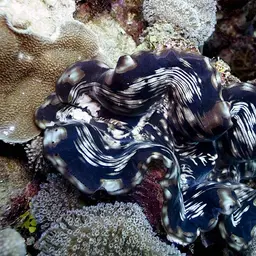
Giant clams (Tridacna gigas) are the largest living bivalves in the world, capable of reaching well over four feet across in the wild. Found across the Indo-Pacific from Myanmar and western Australia up to Japan and out toward the central Pacific, they live on shallow tropical reefs and sandy flats from the surface down to around 35 meters. Like their tridacnid relatives, they spend their adult lives anchored in place on the substrate. Sedentary filter feeders that rely heavily on photosynthetic algae called zooxanthellae living within their brilliantly colored mantle tissue. That mantle, which ripples in blues, greens, golds, and browns, is the main visual draw for reef keepers. The "killer clam" nickname is a myth. There are no credible accounts of a healthy wild clam trapping a diver. Despite being listed as beginner-friendly relative to other reef invertebrates, the sheer scale of this animal demands serious commitment. A full-grown specimen needs one of the largest home systems imaginable and intense, consistent reef-quality lighting to thrive. This is a long-lived species, some individuals survive for decades, so adding one is genuinely a long-term responsibility, not a casual purchase.
Similar species
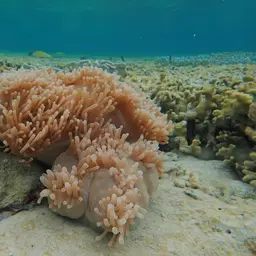
Other invertebrate you might consider
Good tank mates
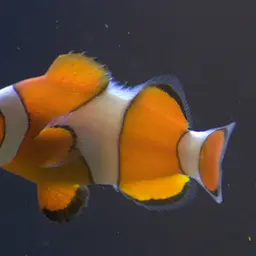
Species that tend to coexist peacefully with Giant Clam
From the same region
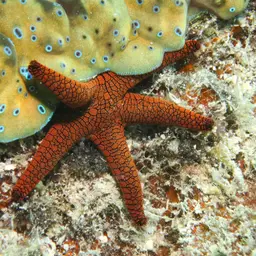
Share the same natural habitat. Great for a biotope-themed tank
Frequently asked questions
- How big does the Giant Clam get?
- The Giant Clam reaches about 32.5–48" as an adult.
- What size tank does the Giant Clam need?
- A minimum of 600 gallons is recommended for the Giant Clam.
- What water parameters does the Giant Clam need?
- The Giant Clam does best with a temperature of 72–86°F, a pH of 8.1–8.4.
- Is the Giant Clam aggressive?
- The Giant Clam is generally peaceful and suits a community tank with similarly calm tankmates.
- What does the Giant Clam eat?
- The Giant Clam is an omnivore. It does well on a varied diet of quality flake or pellet plus occasional frozen or live foods.
- How long does the Giant Clam live?
- With good care, the Giant Clam typically lives 8-50 years.
- Is the Giant Clam reef safe?
- The Giant Clam is generally considered reef safe.