Collector Urchin
Tripneustes gratilla
Also known as: Pincushion Urchin
A reef-safe grazer that doubles as a living piece of underwater decor.

About
The pincushion urchin (Tripneustes gratilla) is one of those invertebrates that earns its keep in a saltwater tank almost immediately. Found across the Indo-Pacific on shallow reef flats and seagrass beds, it spends its days methodically grazing on algae, making it a genuinely useful addition to any cleanup crew. What sets it apart from other urchins is its habit of decorating itself with bits of rubble, shell, and debris, which it holds in place with its tube feet. In the wild this behavior may offer camouflage or UV protection, but in the aquarium it just looks charming and a little eccentric. The spines are shorter and less sharp than those of some other urchins, which makes accidental encounters with your hand a little less dramatic. It is considered a solid choice for beginners, provided the tank has established algae growth to keep it fed and enough rock and open substrate to roam. Like all echinoderms, it is sensitive to sudden shifts in salinity and will not tolerate copper-based medications, so acclimate it carefully and keep tank chemistry stable. This is a low-drama, high-function resident that suits a wide range of reef setups.
Similar species
Other invertebrate you might consider
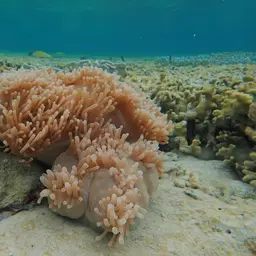
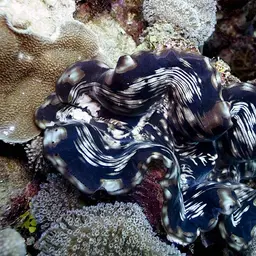
Good tank mates
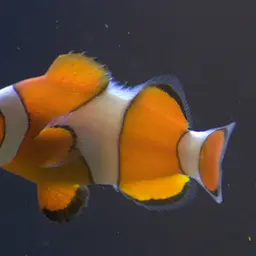
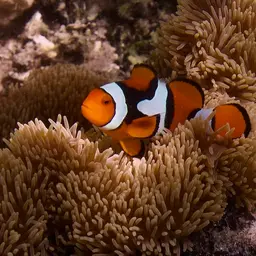
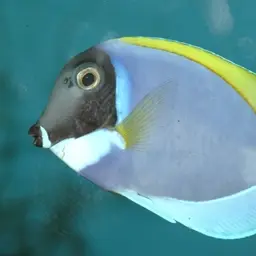
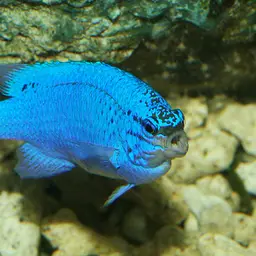
Species that tend to coexist peacefully with Collector Urchin
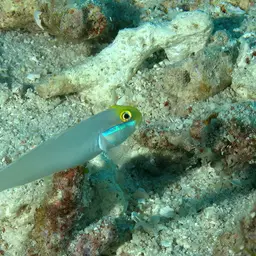
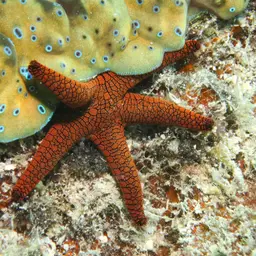
From the same region
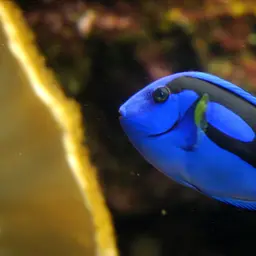
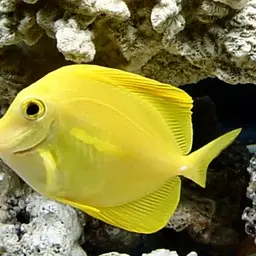
Share the same natural habitat. Great for a biotope-themed tank
Frequently asked questions
- What water parameters does the Collector Urchin need?
- The Collector Urchin does best with a temperature of 72–82°F, a pH of 8–8.4.
- Is the Collector Urchin aggressive?
- The Collector Urchin is generally peaceful and suits a community tank with similarly calm tankmates.
- What does the Collector Urchin eat?
- The Collector Urchin is a herbivore. It needs a plant-based diet such as algae, blanched vegetables, or spirulina-based foods.
- Is the Collector Urchin reef safe?
- The Collector Urchin is generally considered reef safe.