Giant Betta
Betta anabatoides
A rare mouthbrooding betta from Borneo's blackwater streams, built for serious collectors.

About
The Giant Betta (Betta anabatoides) is one of those species that experienced betta enthusiasts seek out precisely because it isn't the fish everyone already keeps. Native to the slow, murky waterways of Indonesian Borneo, particularly the river basins of Central and South Kalimantan, it inhabits shallow, sluggish streams where the water is often heavily stained and low in dissolved minerals. Unlike the familiar splendens group, this species is a paternal mouthbrooder, with the male incubating eggs in his buccal cavity rather than building a bubble nest. That reproductive quirk alone makes it a draw for hobbyists interested in betta natural history beyond the pet-store norm. Despite its "Giant" label, size varies considerably across individuals, and while it runs larger than most bettas, it's still a manageable fish for a dedicated species setup or a well-chosen community. Temperamentally it's reported to be relatively tolerant toward tankmates, which sets it apart from many of its more combative relatives. Because it comes from soft, acidic blackwater habitats in the wild, replicating that low-mineral, warm environment will serve it well in captivity. It's not a beginner's fish, but it rewards keepers who put in the effort to understand its needs.
Similar species
Other fish you might consider
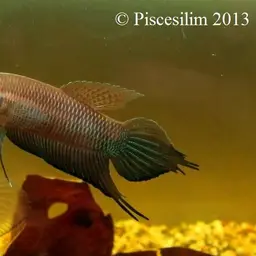
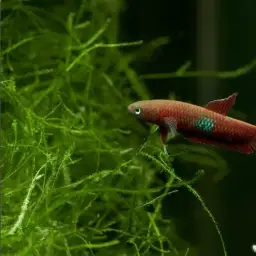
Good tank mates
Species that tend to coexist peacefully with Giant Betta
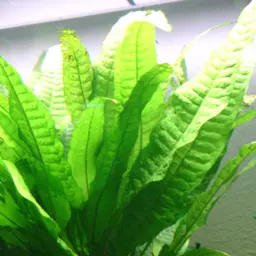
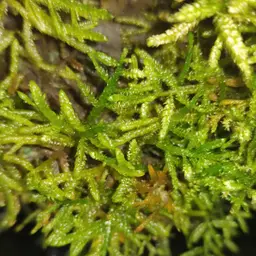
From the same region
Share the same natural habitat. Great for a biotope-themed tank
Frequently asked questions
- How big does the Giant Betta get?
- The Giant Betta reaches about 2–4.5" as an adult.
- What size tank does the Giant Betta need?
- A minimum of 30 gallons is recommended for the Giant Betta.
- What water parameters does the Giant Betta need?
- The Giant Betta does best with a temperature of 81–86°F, a pH of 4.5–7.5, hardness around 1–5 dGH.
- Is the Giant Betta aggressive?
- The Giant Betta is semi-aggressive. It can work in a community with careful tankmate choices and enough space.
- What does the Giant Betta eat?
- The Giant Betta is a carnivore. It needs a meaty, protein-rich diet of frozen or live foods.
- How long does the Giant Betta live?
- With good care, the Giant Betta typically lives 3-8 years.